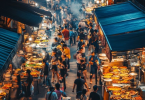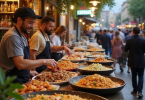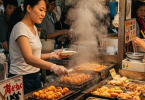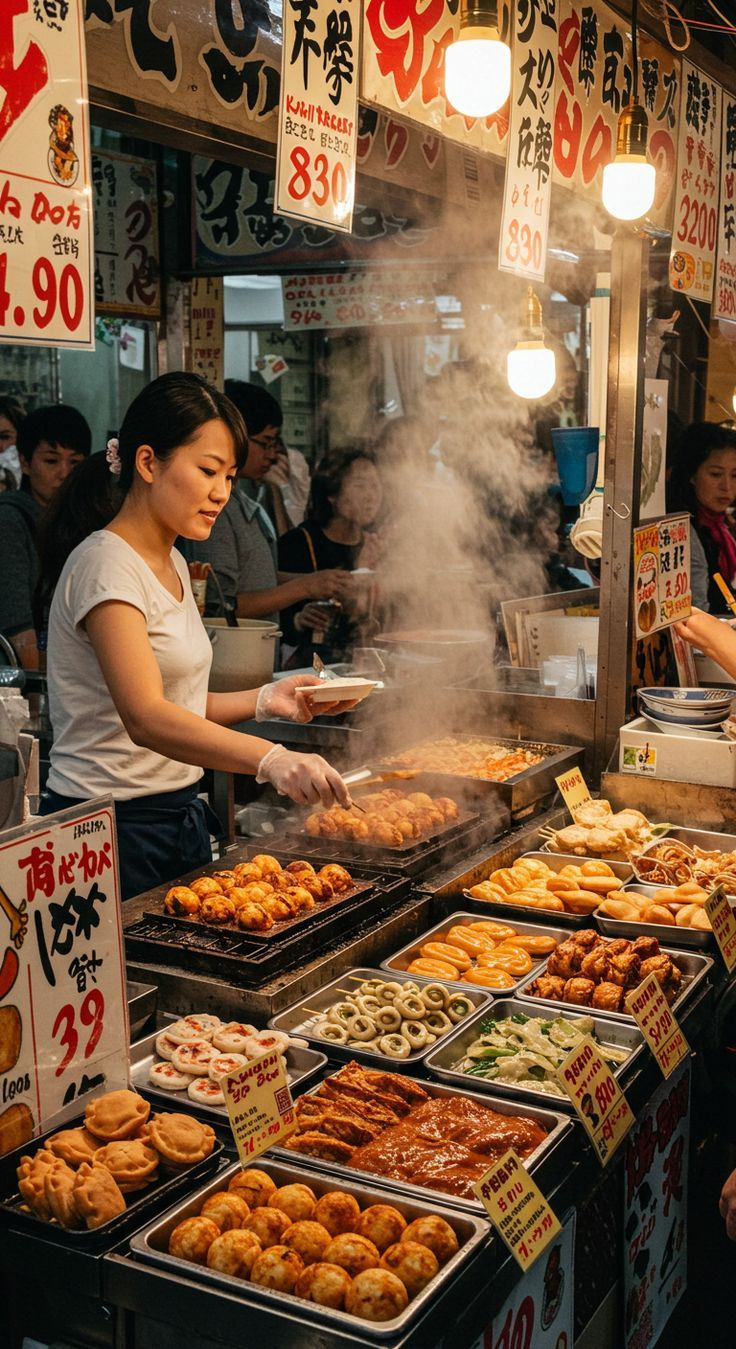
The best meal in a city is rarely the most expensive one. It is often cooked on a cart, eaten standing up, and finished in five glorious minutes. Street food is where a place shows you its real flavours — the recipes people actually grow up on, sold at prices locals can afford daily. This street food guide will help you find the good stalls, order with confidence, eat safely and come home with taste memories no restaurant tasting menu can match.
Why Street Food Deserves Your Trust
Sceptics imagine street food as a compromise; travellers who eat it widely know it is an upgrade. A stall that cooks one dish, hundreds of times a day, for customers who would notice any drop in quality, achieves a level of mastery a broad restaurant menu cannot. Turnover is high, ingredients are bought fresh that morning, and cooking happens in front of you — arguably the most transparent kitchen in the world.
There is also the matter of honesty. Street food is a business built on repeat local customers, and as any look at building a trusted online presence for a travel business will tell you, reputation is everything for small food operators. A stall with a queue of office workers, students and grandmothers has passed the strictest inspection regime there is: the neighbourhood’s.
How to Find the Best Stalls
Follow the crowds — the local ones. A busy stall means high turnover, fresh food and local approval; an empty stall at peak hour is information too. Look for specialisation: the cart doing one thing is usually better than the cart doing twenty things. Morning markets suit breakfast cultures, school and office districts peak at lunch, and night markets are their own glorious category in much of Asia and Latin America.
Use your phone wisely. Local food bloggers and recent reviews beat global rankings, and this misleading claims check for mobile users is a useful reminder that not every glowing online claim deserves belief — cross-check a recommendation or two before you trek across town. Ask people, too: taxi drivers, shopkeepers and your guesthouse host will happily direct you to their stall, and being sent somewhere by a person beats any algorithm.
Ordering Without the Language
Language is a smaller barrier than travellers fear. Pointing, smiling and holding up fingers for quantities works almost everywhere, and learning just five phrases — hello, please, thank you, how much, and the name of the dish — transforms the interaction. Watch what the person ahead of you orders; if it looks good, indicate the same. Many stalls have picture menus, and translation apps with camera features handle the rest.
This street food guide’s golden rule: order the thing the stall is famous for, not the thing that sounds familiar. The familiar dish is for tourists; the speciality is why the stall exists. If there are spice levels, start one below your home confidence — local “medium” can be an education. Carry small notes and coins so payment is quick, and never block the stall while you decide; step aside, watch a round, then order like you mean it.
Eating Safely Without Fear
Sensible precautions let you eat widely without worry. Choose stalls where food is cooked to order at high heat rather than sitting lukewarm, where the cook handles money and food with some separation, and where water and ice come from sealed or treated sources. Freshly fried, grilled or boiled dishes are the safest bets anywhere on earth; raw items deserve more caution in places where your stomach is still new.
Build up gradually in the first days of a trip, carry hand sanitiser, and stay hydrated. Most travellers who get ill trace it to one careless choice made when tired, not to street food as a category. Meanwhile, understanding how food businesses earn trust — the subject of this article on how travel brands build useful editorial connections — helps you spot the stalls and markets that take their reputation seriously. A clean workspace, covered ingredients and a proud cook are visible signs; trust them.
Street Food Etiquette Around the World
Every food culture has small rules, and respecting them makes you welcome. In some places you eat and leave quickly because seats are scarce; in others, lingering is the point. Watch how locals handle payment — before or after — and whether tipping exists at all. Photograph food with a smile and permission if the cook is in frame, and never photograph people eating without asking.
Queues have local customs too: token systems, writing your order on a slip, paying at a separate desk. Two minutes of observation before joining teaches you the system and marks you out as a respectful guest rather than a confused obstacle. These courtesies cost nothing and buy the warmest thing a traveller can receive: being treated, briefly, like a regular.
Bringing the Flavours Home
The finest souvenir from street food travel is a recipe in your head. Note the dishes you loved, photograph market ingredients, and ask vendors what the key spice or sauce is — many will tell you proudly. Back home, recreate one dish at a time; the first attempt will miss something, and the hunt for that something — a particular chilli, a fermented note, a charring technique — keeps the trip alive in your kitchen for years.
Shopping for ingredients back home is its own pleasure. Hunt down a good Asian, Latin American or African grocery and the market stalls of your trip begin to reappear in your own neighbourhood, often run by people from the very places you visited. Ask them how they cook the dish; you will usually leave with an ingredient you did not know you needed and a technique no recipe book mentions. In that way, one trip’s eating quietly educates your everyday cooking for good.
Let this street food guide end where every good meal does: with appetite for the next one. Eat where the locals queue, order the speciality, watch before you leap, and be gracious. Do that in any city on earth and you will eat like a local — because for the length of one perfect, steaming, five-minute meal, you will be one.