
Introduction
Traveling is not only about visiting famous landmarks, relaxing on beaches, or taking beautiful photographs. One of the most meaningful parts of travel is discovering local food experiences. Food connects travelers with culture, history, traditions, and everyday life in ways that sightseeing alone cannot provide. Trying authentic local dishes allows people to understand a destination more deeply while creating unforgettable memories.
Every country and region has unique flavors, cooking styles, and ingredients that reflect local traditions and lifestyles. From busy street markets in Asia to family-owned cafes in Europe and traditional village meals in Africa and Latin America, local food experiences give travelers the chance to explore culture through taste.
Today, food tourism has become more popular than ever. Travelers now seek authentic culinary experiences instead of only luxury dining. Many people prefer eating where local residents eat, exploring traditional markets, joining cooking classes, and learning the stories behind regional dishes. These experiences often become the most memorable parts of a trip.
Local food experiences are also important because they support small businesses and preserve traditional cooking methods. Eating at local restaurants, markets, and street stalls helps communities maintain cultural traditions and family recipes passed down through generations.
Another advantage of exploring local cuisine is affordability. Authentic local food is often cheaper than tourist restaurants while offering better quality and more traditional flavors. Travelers can enjoy meaningful culinary adventures without overspending.
In this complete guide, you will learn everything about local food experiences, including their importance, how to discover authentic cuisine, the best destinations for food lovers, common mistakes to avoid, and expert tips for enjoying local meals safely and respectfully. Whether you are a beginner traveler or an experienced food explorer, this guide will help you connect with culture through unforgettable food experiences.
What Are Local Food Experiences?
Local food experiences are opportunities to explore a destination through its traditional dishes, cooking methods, ingredients, dining customs, and culinary culture. These experiences go beyond simply eating meals. They involve understanding the stories, traditions, and people behind the food.
Local food experiences may include:
- Eating traditional dishes
- Visiting food markets
- Trying street food
- Joining cooking classes
- Dining with local families
- Exploring regional specialties
- Attending food festivals
- Watching traditional cooking methods
- Learning food customs
Unlike tourist-focused dining, authentic local food experiences help travelers connect directly with local communities and traditions.
The main goal of local food experiences is cultural understanding through cuisine. Food becomes a way to explore history, identity, and everyday life in different parts of the world.
Why Are Local Food Experiences Important?
Local food experiences are important because food reflects the identity and traditions of a destination. Traditional meals often represent centuries of history, local agriculture, climate, and cultural influences.
Travelers who explore local cuisine gain a deeper understanding of the places they visit. Sharing meals with local people creates stronger cultural connections and more meaningful travel experiences.
Food experiences also support local economies. Small restaurants, family-owned cafes, food markets, farmers, and street vendors benefit when travelers choose authentic local dining instead of international chains.
Another reason local food experiences matter is cultural preservation. Traditional recipes and cooking methods continue to survive because local communities and travelers value authentic cuisine.
Food also creates emotional memories. Many travelers remember special meals, flavors, and dining experiences long after returning home.
Finally, local food experiences encourage open-mindedness and adventure. Trying unfamiliar dishes helps travelers appreciate cultural diversity and expand their understanding of the world.
Detailed Step-by-Step Guide
Research Local Cuisine Before Traveling
Before visiting a destination, learn about its traditional dishes and food culture. Understanding local cuisine helps travelers feel more confident when exploring unfamiliar meals.
Research:
- Famous local dishes
- Regional specialties
- Dining customs
- Popular markets
- Traditional ingredients
- Street food culture
Travel blogs, documentaries, and local recommendations can provide helpful information.
Create a Food Budget
Food expenses can increase quickly during travel. Planning a food budget helps travelers enjoy authentic cuisine responsibly.
Include:
- Daily meals
- Snacks
- Drinks
- Food tours
- Cooking classes
- Special dining experiences
Local restaurants and markets are often cheaper than tourist-focused dining areas.
Visit Local Markets
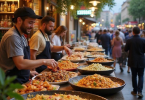
Food markets are among the best places to experience local culture. Travelers can discover fresh ingredients, regional products, spices, and traditional snacks.
Markets also provide opportunities to:
- Meet local vendors
- Learn about ingredients
- Taste affordable food
- Observe daily life
Morning markets are usually the most active and authentic.
Eat Where Local People Eat
Restaurants filled with local customers are often good signs of quality and authenticity. Tourist restaurants may charge higher prices and offer less traditional flavors.
Exploring neighborhoods away from major attractions often leads to better food experiences.
Try Traditional Dishes
Every destination has iconic meals connected to local history and culture. Travelers should remain open-minded and willing to try unfamiliar dishes.
Starting with smaller portions can help travelers explore new flavors comfortably.
Explore Street Food Carefully
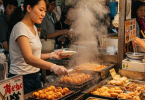
Street food is often one of the most authentic and affordable culinary experiences.
Travelers should:
- Choose busy food stalls
- Watch food preparation
- Eat freshly cooked meals
- Drink safe water
- Carry digestive medicine
Busy vendors usually provide fresher food because of fast customer turnover.
Learn Basic Food Phrases
Learning simple local phrases improves communication and dining experiences.
Useful phrases include:
- Thank you
- Delicious
- Vegetarian
- Spicy
- Water
- No meat
- Please
- How much?
Simple communication often creates friendlier interactions with vendors and restaurant staff.
Join Cooking Classes
Cooking classes help travelers understand local cuisine more deeply. Travelers can learn traditional recipes and cooking methods directly from local chefs or families.
Cooking experiences also allow travelers to recreate favorite dishes at home.
Respect Dining Customs
Different countries have unique dining traditions and etiquette.
Examples include:
- Chopstick use
- Sharing food
- Tipping customs
- Eating with hands
- Seating traditions
Respecting local customs improves cultural experiences and shows appreciation for local traditions.
Keep Food Safety in Mind
Food safety is important during culinary travel.
Travelers should:
- Drink safe water
- Wash hands regularly
- Avoid spoiled food
- Eat freshly prepared meals
- Carry digestive medicine
Careful choices help prevent illness during trips.
Best Destinations for Local Food Experiences
Thailand
Thailand is famous for flavorful street food and traditional dishes.
Popular foods include:
- Pad Thai
- Green curry
- Mango sticky rice
- Tom Yum soup
- Thai iced tea
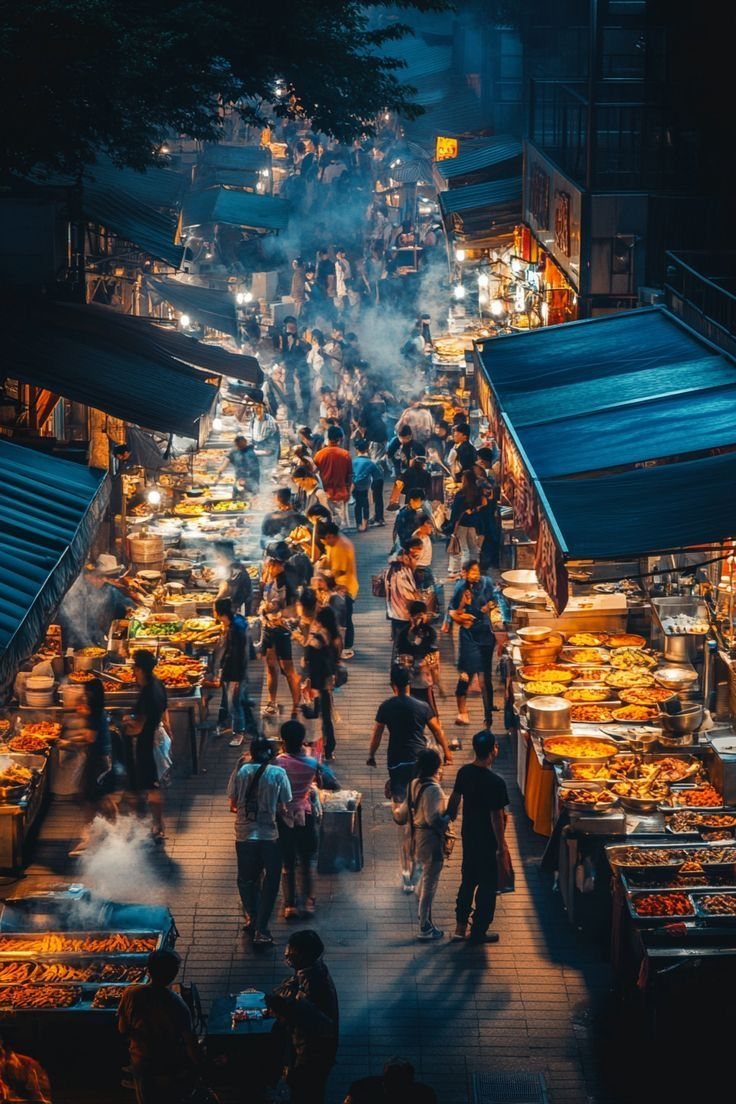
Night markets provide exciting food experiences.
Italy
Italy is known for regional cuisine, fresh ingredients, and family traditions.
Travelers enjoy:
- Pasta dishes
- Pizza
- Gelato
- Seafood
- Coffee culture
Each Italian region offers unique culinary specialties.
Japan
Japan combines tradition and precision in food preparation.
Popular dishes include:
- Sushi
- Ramen
- Tempura
- Takoyaki
- Matcha desserts
Food markets and small restaurants offer authentic experiences.
Mexico
Mexico is famous for colorful flavors and traditional cooking methods.
Travelers enjoy:
- Tacos
- Tamales
- Burritos
- Fresh salsa
- Local desserts
Street food culture is deeply connected to daily life.
Turkey
Turkey offers rich flavors influenced by Middle Eastern and Mediterranean cuisine.
Popular foods include:
- Kebabs
- Baklava
- Turkish tea
- Pide bread
- Meze platters
Markets and cafes provide authentic local dining experiences.
Vietnam
Vietnam is known for fresh herbs, noodle dishes, and affordable meals.
Popular dishes include:
- Pho
- Banh Mi
- Spring rolls
- Vietnamese coffee
- Rice noodles
Street food is an important part of Vietnamese culture.
Benefits of Local Food Experiences
- Helps travelers understand local culture
- Creates unforgettable travel memories
- Supports local businesses and communities
- Encourages cultural appreciation
- Introduces travelers to new flavors
- Helps preserve traditional recipes
- Makes travel more meaningful
- Encourages interaction with local people
- Provides affordable dining opportunities
- Improves cultural understanding
- Supports sustainable tourism
- Encourages adventurous eating habits
- Helps travelers discover hidden neighborhoods
- Creates emotional connections with destinations
- Makes vacations more enjoyable
Disadvantages and Risks
- Food allergies may create challenges
- Some dishes may upset digestion
- Language barriers can affect food orders
- Travelers may overspend on dining experiences
- Street food hygiene standards may vary
- Dietary restrictions may limit options
- Unfamiliar ingredients may cause discomfort
- Tourist food scams exist in some destinations
- Cultural dining customs may feel unfamiliar
- Food tours may increase travel expenses
Common Mistakes to Avoid
One common mistake is eating only at tourist restaurants. These places often charge higher prices and may not provide authentic local flavors.
Another mistake is avoiding unfamiliar dishes. Travelers who stay open-minded usually enjoy better culinary experiences.
Ignoring food safety is another major problem. Travelers should choose clean restaurants and freshly prepared meals.
Many travelers also fail to research local dining customs. Simple etiquette mistakes can create uncomfortable situations.
Overplanning meals can reduce flexibility. Some of the best food experiences happen unexpectedly while exploring local neighborhoods.
Ordering too much food is another common issue. Trying smaller portions first helps travelers avoid waste and discomfort.
Some travelers focus only on famous restaurants while missing hidden local food gems.
Finally, many travelers forget to visit local markets, which often provide the most authentic culinary experiences.
FAQs
What are local food experiences?
Local food experiences involve exploring culture through traditional dishes, local restaurants, markets, cooking classes, and regional cuisine.
Why is local food important during travel?
Local food helps travelers understand culture, traditions, and daily life more deeply.
Is street food part of local food experiences?
Yes, street food is often one of the most authentic and affordable ways to explore local cuisine.
How can travelers find authentic local restaurants?
Look for restaurants filled with local people and explore neighborhoods away from tourist attractions.
Are cooking classes worth trying?
Yes, cooking classes help travelers learn traditional recipes and cultural cooking methods.
What should travelers do about food allergies?
Research ingredients before traveling and learn important allergy phrases in the local language.
How can travelers stay safe while trying local food?
Choose clean restaurants, drink safe water, and eat freshly prepared meals.
Which countries are best for local food experiences?
Thailand, Italy, Japan, Mexico, Turkey, and Vietnam are among the best destinations for food lovers.
Expert Tips and Bonus Points
Experienced food travelers often recommend eating where local workers and families dine. These places usually provide affordable and authentic meals.
Travelers should also try regional specialties instead of focusing only on internationally famous dishes.
Another smart tip is visiting food markets early in the morning when ingredients are freshest and local activity is highest.
Using local recommendations instead of only internet reviews often leads to hidden culinary gems.
Travelers can save money by eating larger lunches instead of expensive dinners because many restaurants offer lunch specials.
Keeping a food journal or taking photos of memorable meals helps preserve travel memories.
Food travelers should remain patient and flexible because some of the best culinary experiences happen unexpectedly.
Most importantly, travelers should stay adventurous and respectful. Exploring local cuisine is about culture, learning, and connection as much as taste.
Conclusion
Local food experiences are one of the most meaningful and memorable parts of travel. Food allows travelers to connect with culture, history, traditions, and local communities in ways that ordinary sightseeing cannot provide.
From street markets in Thailand to pasta restaurants in Italy and taco stalls in Mexico, every destination tells its own story through cuisine. Travelers who explore authentic local food gain deeper cultural understanding and create unforgettable memories.
Local food experiences also support small businesses, preserve traditional cooking methods, and encourage meaningful interactions with local people. By eating where residents eat and trying traditional dishes, travelers experience destinations more personally and authentically.
Proper planning, food safety awareness, and openness to new flavors can greatly improve culinary travel experiences. Simple habits such as exploring markets, respecting dining customs, and staying curious help travelers discover the true heart of a destination.