
Introduction
Food is one of the most powerful ways to experience a new place. Every destination in the world has its own flavors, cooking traditions, and local dishes that reflect its culture and history. This is why food tourism destinations are becoming extremely popular among modern travelers. Instead of only visiting monuments or beaches, many people now travel specifically to taste authentic local cuisine and explore food culture.
Food tourism is not just about eating. It is about discovering how people live, what ingredients they use, and how food connects communities. From street food markets in Asia to fine dining cities in Europe and spice-rich dishes in Latin America, food tourism opens the door to unforgettable experiences.
Many travelers believe that the best memories of a trip often come from food rather than sightseeing. A single local dish, a busy night market, or a family-owned restaurant can leave a stronger impression than famous landmarks. Food tourism destinations offer these experiences in the most authentic way possible.
Today, food lovers travel across countries just to try signature dishes, attend food festivals, join cooking classes, and explore traditional markets. Whether it is sushi in Japan, pasta in Italy, or tacos in Mexico, every destination tells its own story through food.
In this complete guide, you will discover the best food tourism destinations, why they are important, how to plan food-focused trips, common mistakes to avoid, and expert tips for enjoying global cuisine. If you love travel and food, this guide will help you explore the world in the most delicious way possible.
What Are Food Tourism Destinations?
Food tourism destinations are places known for their unique culinary culture, traditional dishes, street food scenes, and dining experiences. These destinations attract travelers who want to explore a country or city through its food rather than just sightseeing.
A food tourism destination usually offers:
- Signature local dishes
- Street food culture
- Traditional recipes
- Food festivals
- Local markets
- Regional ingredients
- Cooking traditions
- Famous restaurants
These destinations are not only about luxury dining. Many of the best food experiences come from local eateries, street vendors, and small family-run restaurants.
Food tourism connects travelers directly with culture. Every dish has a story, and every recipe reflects history, geography, and tradition.
Why Are Food Tourism Destinations Important?
Food tourism destinations are important because food is one of the most authentic cultural expressions. It reflects a region’s identity, climate, agriculture, and traditions.
Travelers who explore food destinations gain a deeper understanding of local life. Eating traditional meals and visiting markets helps people connect with communities in a meaningful way.
Food tourism also supports local economies. Small businesses, farmers, chefs, and street vendors benefit when travelers choose local food experiences instead of international chains.
Another important reason is cultural preservation. Traditional recipes and cooking methods survive because travelers and locals continue to value them.
Food tourism destinations also create emotional travel memories. Many people remember food experiences more clearly than famous attractions.
Finally, food tourism encourages curiosity, cultural exchange, and openness to new flavors, making travel more meaningful and enjoyable.
Detailed Step-by-Step Guide
Research the Destination’s Food Culture
Before visiting any food tourism destination, it is important to learn about local cuisine.
Research:
- Famous dishes
- Local ingredients
- Dining customs
- Popular food streets
- Traditional cooking methods
This helps travelers understand what to expect and what to try.
Plan a Food Budget
Food tourism can include both affordable and luxury experiences. Planning a budget helps balance both.
Include:
- Daily meals
- Street food
- Restaurant dining
- Food tours
- Cooking classes
Many destinations offer high-quality food at reasonable prices.
Explore Street Food Areas
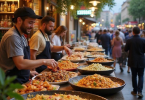
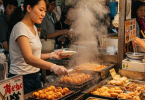
Street food is often the heart of food tourism destinations. It provides authentic, affordable, and flavorful experiences.
Visit:
- Night markets
- Food streets
- Local bazaars
- Festival stalls
Busy food stalls are usually a sign of freshness and quality.
Visit Local Markets
Markets are essential in food tourism destinations. They showcase local ingredients, spices, and traditional snacks.
Markets allow travelers to:
- Taste local food
- Meet vendors
- Learn about ingredients
- Experience daily life
Morning markets are often the most authentic.
Try Regional Specialties
Every food destination has signature dishes that represent its culture.
Travelers should try:
- Local soups
- Traditional desserts
- Grilled dishes
- Regional snacks
Starting with small portions helps explore more flavors.
Join Food Tours and Cooking Classes
Food tours help travelers discover hidden food spots and understand culinary history.
Cooking classes offer:
- Hands-on experience
- Cultural learning
- Recipe knowledge
- Interaction with locals
These experiences make food tourism more interactive.
Respect Local Dining Customs
Every destination has different food traditions and etiquette.
Examples include:
- Eating with hands or utensils
- Tipping rules
- Sharing meals
- Table manners
Respecting customs improves cultural experience.
Follow Food Safety Tips
Food safety is important during food tourism.
Travelers should:
- Choose clean vendors
- Drink safe water
- Eat freshly prepared food
- Avoid uncooked items if unsure
This ensures a safe and enjoyable experience.
Best Food Tourism Destinations
Bangkok, Thailand
Bangkok is one of the world’s top food tourism destinations. Street food culture is everywhere.
Must-try foods:
- Pad Thai
- Mango sticky rice
- Green curry
- Tom Yum soup
- Grilled seafood
Night markets make food exploration exciting and affordable.
Tokyo, Japan
Tokyo is famous for precision, freshness, and variety in food.
Popular dishes:
- Sushi
- Ramen
- Tempura
- Wagyu beef
- Matcha desserts
Tokyo also has world-class food markets and fine dining experiences.
Rome, Italy
Rome is a paradise for lovers of traditional European cuisine.
Must-try foods:
- Pasta dishes
- Pizza
- Gelato
- Espresso
- Italian pastries
Every region in Italy has its own food identity.
Mexico City, Mexico
Mexico City is known for bold flavors and colorful street food.
Popular foods:
- Tacos
- Tamales
- Quesadillas
- Churros
- Street corn
Food markets are full of life and culture.
Istanbul, Turkey
Istanbul blends Middle Eastern, Mediterranean, and Asian flavors.
Must-try foods:
- Kebabs
- Baklava
- Turkish tea
- Simit bread
- Meze platters
Street food is affordable and widely available.
Hanoi, Vietnam
Hanoi offers fresh, light, and flavorful cuisine.
Popular dishes:
- Pho
- Banh Mi
- Spring rolls
- Vietnamese coffee
- Noodle soups
Street food is a big part of daily life.
Paris, France
Paris is known for elegant food culture and bakery traditions.
Must-try foods:
- Croissants
- Macarons
- Cheese platters
- Baguettes
- French desserts
Cafes and bakeries are essential experiences.
Benefits of Food Tourism Destinations
- Provides authentic cultural experiences
- Introduces travelers to local traditions
- Supports small businesses and vendors
- Encourages cultural exchange
- Creates unforgettable memories
- Helps discover new flavors
- Makes travel more meaningful
- Supports local economies
- Encourages adventurous eating
- Improves cultural understanding
- Helps preserve traditional recipes
- Offers affordable travel experiences
- Strengthens connection with locals
- Encourages exploration of markets
- Enhances overall travel experience
Disadvantages and Risks
- Food allergies may cause issues
- Some dishes may not suit digestion
- Hygiene standards vary by location
- Language barriers may affect ordering
- Tourist scams may exist in busy areas
- Dietary restrictions may limit options
- Street food may not always be safe
- Overeating can cause discomfort
- Cultural misunderstandings may happen
- Food tours can increase expenses
Common Mistakes to Avoid
One common mistake is only eating in tourist restaurants. These places are often expensive and less authentic.
Another mistake is avoiding street food due to fear. Many street food destinations are safe and offer the most authentic flavors.
Travelers also sometimes ignore local dining customs, which can lead to awkward situations.
Overplanning meals is another mistake. Some of the best food experiences happen spontaneously.
Eating too much at once is also common. Trying small portions helps explore more dishes.
Ignoring food safety is a serious mistake. Clean vendors should always be preferred.
Some travelers forget to explore local markets, which are essential for food tourism experiences.
Finally, focusing only on famous restaurants can make travelers miss hidden local gems.
FAQs
What are food tourism destinations?
They are places known for their unique food culture, traditional dishes, and culinary experiences.
Which countries are best for food tourism?
Thailand, Italy, Japan, Mexico, Turkey, Vietnam, and France are top food tourism destinations.
Is street food safe in food tourism destinations?
Yes, if travelers choose clean, busy vendors and freshly cooked meals.
Why is food tourism popular?
Because it offers cultural experiences, authentic flavors, and meaningful travel memories.
How can I save money during food tourism?
Eat at local markets, street stalls, and small restaurants instead of tourist spots.
Do food tourism destinations include fine dining?
Yes, they include both street food and luxury dining experiences.
What should I try first in a food destination?
Start with local signature dishes and street food specialties.
Can vegetarians enjoy food tourism?
Yes, many destinations offer vegetarian-friendly traditional dishes.
Expert Tips and Bonus Points
Experienced food travelers recommend eating where locals eat, not tourists. This ensures authenticity and better prices.
Always try regional specialties instead of international food chains.
Visit food markets early in the morning for the freshest experience.
Keep cash handy, as many street vendors do not accept cards.
Stay open-minded and try unfamiliar dishes for better cultural experiences.
Use food apps or local recommendations instead of only tourist guides.
Take photos or notes of favorite dishes for future reference.
Most importantly, enjoy the experience slowly instead of rushing meals.
Conclusion
Food tourism destinations offer one of the most meaningful ways to explore the world. Instead of only seeing places, travelers get to taste culture, history, and tradition through food. Every destination has its own identity shaped by flavors, ingredients, and cooking styles.
From street food in Bangkok to pasta in Rome and sushi in Tokyo, food tourism creates unforgettable experiences that connect people across cultures. It allows travelers to enjoy authentic meals while supporting local communities and discovering hidden culinary gems.
By planning carefully, respecting local customs, and staying open to new flavors, anyone can enjoy incredible food tourism experiences. These journeys are not just about eating—they are about understanding people, traditions, and stories through food.