
Introduction
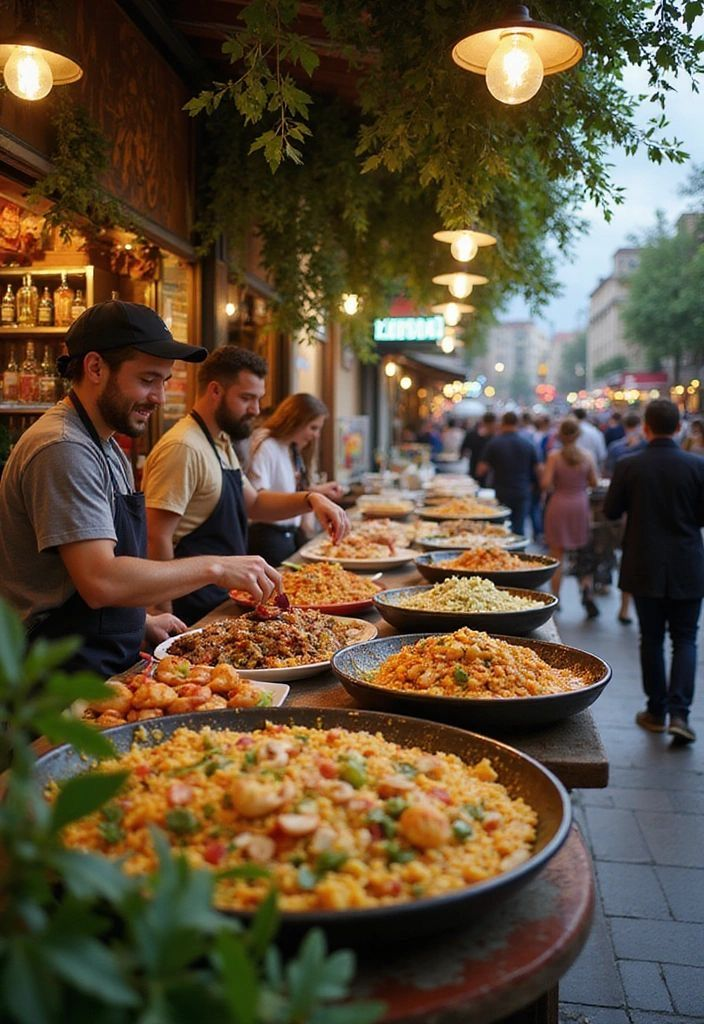
Traveling is one of the best ways to discover new cultures, meet different people, and create unforgettable memories. However, one of the most exciting parts of travel is often the food. Among all culinary experiences, street food travel stands out because it offers authentic flavors, local traditions, and affordable meals in every corner of the world. From busy night markets in Asia to food carts in Europe and colorful roadside stalls in Latin America, street food allows travelers to explore destinations through taste and culture.
Street food is more than quick and cheap meals. It reflects local history, traditions, ingredients, and daily life. Many famous dishes started as simple street snacks before becoming internationally popular. Travelers who explore street food markets often discover hidden flavors and unique recipes that cannot be found in luxury restaurants.
Street food travel has become increasingly popular because travelers now look for authentic experiences instead of only visiting tourist attractions. Local food stalls provide opportunities to interact with residents, observe cooking methods, and enjoy meals prepared with traditional techniques. In many countries, street food is an important part of culture and community life.
Another reason travelers love street food is affordability. Street meals are usually cheaper than restaurant dining, making them ideal for budget travelers. At the same time, many street vendors serve high-quality food made from fresh local ingredients.
In this complete guide, you will learn everything about street food travel, including its importance, how to plan food adventures, the best street food destinations, common mistakes to avoid, safety tips, and expert advice for enjoying authentic local cuisine. Whether you are a beginner traveler or an experienced food explorer, this guide will help you enjoy unforgettable street food experiences around the world.
What Is Street Food Travel?
Street food travel is a style of tourism focused on exploring local culture through food sold by street vendors, food carts, markets, roadside stalls, and night markets. Travelers visit destinations specifically to try authentic street dishes and experience local culinary traditions.
Street food travel combines culture, adventure, and affordable dining. Instead of eating only in formal restaurants, travelers explore local neighborhoods and busy food areas to discover traditional recipes and regional specialties.
Street food may include:
- Grilled meats
- Noodles
- Tacos
- Sandwiches
- Soups
- Desserts
- Fried snacks
- Seafood
- Fresh juices
- Traditional drinks
The goal of street food travel is not only eating but also understanding local lifestyles, traditions, and cooking methods through everyday food experiences.
Why Is Street Food Travel Important?
Street food travel is important because food is deeply connected to culture and history. Local street dishes often represent traditions passed down through generations.
Travelers who explore street food gain authentic cultural experiences that go beyond tourist attractions. Watching local vendors prepare food, visiting crowded markets, and eating among residents creates stronger connections with local communities.
Street food also supports local economies. Small vendors, family businesses, and local farmers benefit when travelers choose local food stalls instead of international restaurant chains.
Another important reason street food travel matters is affordability. Street meals are usually inexpensive, allowing travelers to enjoy delicious local cuisine without spending large amounts of money.
Street food also encourages culinary adventure. Travelers experience new ingredients, cooking methods, and flavors that may not exist in their home countries.
Finally, many travelers remember street food experiences more clearly than famous landmarks. A delicious meal from a busy market often becomes one of the highlights of an entire trip.
Detailed Step-by-Step Guide
Research Local Street Food Before Traveling
Before visiting a destination, learn about famous local street foods and food markets. Understanding local dishes helps travelers feel more confident when ordering meals.
Research:
- Popular local snacks
- Traditional dishes
- Famous food streets
- Night markets
- Local ingredients
- Dining customs
Travel blogs, food documentaries, and online reviews can provide useful recommendations.
Plan a Food Budget
Street food is affordable, but daily food spending can still increase quickly during travel. Creating a budget helps travelers enjoy local meals responsibly.
Include:
- Daily meals
- Snacks
- Drinks
- Food tours
- Desserts
- Emergency expenses
Street food travel often allows travelers to eat well while spending less money than restaurant dining.
Visit Busy Food Areas
Crowded food stalls are usually a good sign of freshness and quality. Busy vendors often prepare food quickly because of high customer demand.
Popular street food areas include:
- Night markets
- Food streets
- Local bazaars
- Morning markets
- Festival food stalls
These places often provide authentic culinary experiences.
Watch Food Preparation
Watching food preparation helps travelers understand ingredients and cooking methods. It also allows travelers to check cleanliness and food handling practices.
Freshly cooked meals are generally safer and more flavorful.
Start with Small Portions
Travelers exploring unfamiliar cuisine should begin with small portions. This helps them discover new flavors without wasting money or food.
Trying multiple small dishes also provides a better understanding of local street food culture.
Learn Basic Food Phrases
Learning simple local phrases improves communication with vendors.
Helpful phrases include:
- Thank you
- Delicious
- Spicy
- Vegetarian
- Water
- No meat
- How much?
- Please
Simple communication often creates friendlier interactions and better experiences.
Follow Food Safety Tips
Food safety is important during street food travel. Travelers should:
- Choose busy vendors
- Eat freshly cooked meals
- Avoid spoiled ingredients
- Drink safe water
- Wash hands regularly
- Carry digestive medicine
Careful choices help reduce the risk of illness during travel.
Explore Local Markets
Markets are excellent places to discover traditional snacks, fresh produce, and regional specialties. Travelers can interact with local vendors and learn about cooking ingredients.
Markets also provide affordable meals and cultural experiences.
Join Street Food Tours
Food tours help travelers discover hidden vendors and understand local food culture. Guides often explain the history and traditions behind famous dishes.
Food tours are especially useful for beginner travelers unfamiliar with local cuisine.
Document Your Experiences
Many travelers enjoy taking photos or writing notes about memorable dishes and food stalls. Keeping a food journal helps preserve travel memories.
Best Street Food Travel Destinations
Bangkok, Thailand
Bangkok is one of the world’s most famous street food destinations. Busy markets and roadside stalls serve flavorful dishes at affordable prices.
Popular foods include:
- Pad Thai
- Mango sticky rice
- Grilled seafood
- Green curry
- Thai iced tea
Night markets are especially popular among travelers.
Mexico City, Mexico
Mexico City offers colorful and flavorful street food experiences.
Popular dishes include:
- Tacos
- Tamales
- Quesadillas
- Churros
- Elote corn
Street vendors can be found throughout the city.
Hanoi, Vietnam
Hanoi is famous for fresh herbs, noodle dishes, and affordable street meals.
Travelers enjoy:
- Pho soup
- Banh Mi sandwiches
- Spring rolls
- Vietnamese coffee
- Rice noodle dishes
Street food culture is an important part of daily life.
Istanbul, Turkey
Istanbul combines Middle Eastern and Mediterranean flavors through street food culture.
Popular foods include:
- Simit bread
- Kebabs
- Baklava
- Roasted chestnuts
- Turkish tea
Markets and food streets attract travelers from around the world.
Tokyo, Japan
Tokyo offers both traditional and modern street food experiences.
Popular dishes include:
- Takoyaki
- Yakitori
- Ramen
- Sushi snacks
- Matcha desserts
Food markets and festivals provide exciting culinary experiences.
Mumbai, India
Mumbai is famous for spicy and flavorful street snacks.
Popular foods include:
- Vada Pav
- Pani Puri
- Pav Bhaji
- Bhel Puri
- Chai tea
Street food is deeply connected to local culture.
Seoul, South Korea
Seoul offers exciting night markets filled with delicious snacks and desserts.
Travelers enjoy:
- Tteokbokki
- Korean fried chicken
- Fish cakes
- Hotteok pancakes
- Korean barbecue snacks
Street food markets remain busy late into the night.
Benefits of Street Food Travel
- Provides authentic cultural experiences
- Helps travelers discover local traditions
- Supports local vendors and businesses
- Allows affordable dining during travel
- Introduces travelers to new flavors
- Creates unforgettable travel memories
- Encourages culinary adventure
- Helps travelers interact with local communities
- Makes travel more exciting
- Offers quick and convenient meals
- Allows travelers to try many dishes
- Improves cultural understanding
- Encourages exploration of local neighborhoods
- Helps travelers avoid expensive tourist restaurants
- Creates deeper connections with destinations
Disadvantages and Risks
- Food hygiene standards may vary
- Travelers may experience digestive problems
- Language barriers can create confusion
- Some dishes may contain allergens
- Tourist areas may overcharge visitors
- Street food can become crowded during busy hours
- Weather conditions may affect outdoor dining
- Travelers may struggle with unfamiliar ingredients
- Food safety concerns exist in some destinations
- Dietary restrictions may limit options
Common Mistakes to Avoid
One common mistake is eating only in tourist areas. Local neighborhoods often provide better quality and more authentic street food experiences.
Another mistake is ignoring food safety. Travelers should choose clean vendors and avoid food that has been sitting uncovered for long periods.
Many travelers also avoid trying unfamiliar dishes. Being open to new flavors often leads to the best culinary experiences.
Overeating is another common problem. Travelers should try smaller portions when exploring many dishes in one area.
Ignoring local customs can also create uncomfortable situations. Learning basic dining etiquette improves cultural experiences.
Some travelers focus only on famous food stalls while missing hidden local vendors with excellent food.
Not carrying cash is another mistake. Many street vendors do not accept cards or digital payments.
Finally, many travelers forget to stay hydrated, especially when eating spicy food in hot climates.
FAQs
What is street food travel?
Street food travel is exploring destinations through local street food, markets, and traditional roadside meals.
Is street food safe to eat?
Street food can be safe when travelers choose busy vendors with freshly prepared meals and clean cooking areas.
Which country has the best street food?
Thailand, Mexico, Vietnam, India, Turkey, and South Korea are among the most famous street food destinations.
How can I avoid getting sick from street food?
Choose busy food stalls, drink safe water, eat freshly cooked meals, and maintain good hygiene practices.
Why is street food popular among travelers?
Street food is affordable, authentic, convenient, and deeply connected to local culture.
Can vegetarians enjoy street food travel?
Yes, many destinations offer vegetarian street food options, especially in Asia and India.
How much money should I budget for street food?
Street food is usually inexpensive, but the amount depends on the destination and personal eating habits.
Are food tours worth trying?
Yes, food tours help travelers discover hidden vendors and learn about local food culture.
Expert Tips and Bonus Points
Experienced street food travelers often recommend following local crowds. Vendors with many local customers usually provide fresh and high-quality food.
Travelers should also carry tissues, hand sanitizer, and bottled water while exploring food markets.
Another useful tip is eating during busy meal times because food turnover is faster and ingredients are fresher.
Travelers can save money by sharing dishes with friends or family. This allows them to try more foods without overeating.
Learning local spice levels is also important. Some dishes may be much spicier than expected.
Using local recommendations instead of only internet reviews often leads to more authentic experiences.
Travelers should remain patient during crowded market hours because popular food stalls may require waiting in long lines.
Most importantly, travelers should stay adventurous and open-minded. Some of the best street food experiences come from trying unfamiliar dishes and exploring hidden local neighborhoods.
Conclusion
Street food travel offers one of the most exciting and authentic ways to experience the world. Beyond famous landmarks and tourist attractions, street food allows travelers to connect directly with local culture, traditions, and daily life through flavor and community.
From the night markets of Bangkok to the taco stalls of Mexico City and the noodle streets of Hanoi, every destination tells a unique story through its street food. These culinary experiences create unforgettable memories while helping travelers understand local lifestyles more deeply.
Street food travel is also affordable, making it perfect for budget travelers who want to enjoy authentic cuisine without expensive restaurant bills. Local food stalls often provide fresh ingredients, traditional recipes, and meaningful interactions with local people.
By following proper food safety practices, respecting local customs, and remaining open to new flavors, travelers can enjoy incredible culinary adventures around the world. Street food is more than a meal — it is a cultural experience, a social connection, and an important part of travel itself.