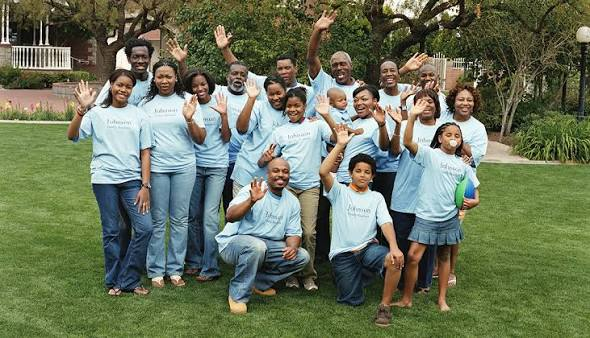

Family reunions have a way of growing more complicated as the family does. What worked for 15 people at a backyard gathering doesn’t scale to 40 or 60 people spread across multiple generations, time zones, and dietary preferences. The reunions that become annual traditions are almost always the ones where someone treated the planning seriously — not just the logistics, but the experience.
Choosing the Right Type of Venue
vacation rentals for large family reunions offer advantages that hotels and campgrounds rarely match: shared common spaces where the whole group can gather, private bedrooms so different family configurations have their own space, and a kitchen setup that accommodates communal meals without the formality of a restaurant.
The alternative — booking a block of hotel rooms — scatters the family across floors and hallways and creates a logistics overhead that competes with actually spending time together.
Activity Planning by Generation
The American Association of Retired Persons has documented that multi-generational activities — those that give different age groups a role rather than a single activity everyone does simultaneously — produce higher satisfaction across all generations than age-segregated programming. This applies directly to reunion planning: design the schedule so grandparents, parents, and kids each have moments that work for them, with some overlap.
Managing the Logistics
Set the date at least six months out for a reunion of 40 or more. Send a save-the-date the day you book the venue. Collect dietary restrictions and accessibility needs before finalizing meal planning. Designate a point person for each sub-family group so you’re not making individual calls to 30 people.
A shared document or group chat that keeps all logistics information in one place eliminates the majority of the ‘what time does that start?’ questions in the week before the event.