

Budget Travel Tips
Travel does not have to be expensive, stressful, or only possible for people with large savings. With the right budget travel tips, you can explore new places, meet interesting people, enjoy local food, and create powerful memories without damaging your finances. The real secret is not cutting every cost until the trip feels boring. Instead, it is learning how to spend wisely, plan early, compare options, and choose experiences that give the best value.
Many beginners think budget travel means staying in unsafe places, eating poor food, or missing the best attractions. That is not true. Smart budget travel is about balance. You save money on things that do not matter much, so you can spend more on things that make the journey meaningful.
In this guide, you will learn practical budget travel tips that work for weekend trips, family holidays, solo adventures, and international vacations.
What is Budget Travel Tips?
Budget travel tips are practical methods that help travelers reduce unnecessary expenses while still enjoying a safe, comfortable, and memorable trip. They include planning your destination, choosing affordable transport, booking the right accommodation, eating smartly, using local services, and avoiding costly mistakes.
Budget travel does not mean traveling in the cheapest way possible at all times. It means understanding where your money goes and making better choices.
A good budget traveler knows the difference between cheap and smart. Cheap decisions can create problems, such as unsafe transport or poor accommodation. Smart decisions protect your money while keeping your trip enjoyable.
Budget travel also changes from person to person. A backpacker may focus on hostels and public buses. A family may focus on apartment rentals, meal planning, and free attractions. A business traveler may search for flexible flights and affordable airport transfers.
Why is Budget Travel Tips Important?
Budget travel tips are important because travel costs can increase quickly when you do not plan ahead. Flights, hotels, food, taxis, tickets, luggage fees, and small daily purchases can turn a simple trip into a financial burden. When you know how to manage these costs, travel becomes easier and more accessible.
Another reason budget travel matters is freedom. When you spend less on one trip, you can save money for the next one. Instead of taking one expensive vacation every few years, you may enjoy several smaller trips throughout the year.
Budget planning also reduces stress. Many travelers worry about running out of money during a trip. However, when you know your daily spending limit, emergency fund, and main expenses, you feel more relaxed.
It also helps you make deeper connections with local life. Budget travelers often use public transport, visit local markets, eat where residents eat, and stay in neighborhoods outside tourist zones. These choices are usually cheaper, but they also create more authentic experiences.
Most importantly, budget travel teaches discipline. You learn to compare, research, negotiate, prioritize, and make decisions based on value rather than impulse. These skills are useful not only for travel but also for everyday life.
Detailed Step-by-Step Guide
Step 1: Set a Clear Travel Budget
Before choosing flights or hotels, decide how much you can honestly spend. Your budget should include transport, accommodation, food, activities, shopping, local travel, visas, insurance, and emergency money.
Break the total amount into daily limits. For example, if your trip budget is $700 for seven days, your average daily spending limit is $100. Some days may cost more, but this simple number keeps you aware.
A basic budget can look like this:
- Transport: 30%
- Accommodation: 25%
- Food: 20%
- Activities: 15%
- Emergency and extras: 10%
This is only a starting point. You can adjust it based on your destination and travel style. The key is to make a plan before the trip begins.
Step 2: Choose the Right Destination
Some destinations are naturally more affordable than others. A week in a small mountain town may cost less than two days in a major tourist capital. Before booking, compare the average cost of food, hotels, attractions, and transport.
Look for places where your currency has strong value. Also, consider nearby cities instead of famous tourist hotspots. For example, staying outside the main city center can reduce hotel costs while still giving easy access to attractions.
Season also matters. Traveling during school holidays, festival weeks, or peak summer months usually costs more. Shoulder season, which comes just before or after peak season, often gives better prices and pleasant weather.
Step 3: Be Flexible With Dates
Flexibility is one of the strongest budget travel tips for saving money. Flights and hotels can change in price from one day to another. Traveling midweek is often cheaper than traveling on Fridays or Sundays.
Sometimes leaving one day earlier or later can save a large amount. The same idea applies to accommodation. A hotel may be expensive on Saturday night but affordable on Monday night.
If your schedule allows, avoid major events unless that event is the reason for your trip. Conferences, sports matches, concerts, and national holidays can increase prices quickly.
Step 4: Book Flights Smartly
Flights are often one of the largest travel expenses. To save money, compare several airlines and booking platforms before paying.
Book early for international travel, especially during popular seasons. However, do not assume early booking is always best. Prices move based on demand, route, and airline rules.
Pay attention to total cost, not just ticket price. A cheap ticket may become expensive after adding baggage, seat selection, meals, and payment fees.
Helpful flight saving ideas include:
- Travel with hand luggage when possible
- Use price alerts
- Compare one-way and return tickets
- Check early morning or late-night flights
- Avoid unnecessary add-ons
- Read refund and change policies carefully
Step 5: Save on Accommodation
Accommodation can either protect your budget or destroy it. Hotels are comfortable, but they are not always the best choice. Hostels, guesthouses, homestays, serviced apartments, and vacation rentals can be better for budget travelers.
If you are staying more than three nights, look for places with a kitchen. Cooking simple meals can save a lot. Also check whether breakfast, Wi-Fi, laundry, and airport pickup are included.
Location is important. A cheaper hotel far from the main area may cost more after adding daily transport. Choose a place that is safe, clean, and close to public transport.
A low price is not a good deal if the stay creates problems.
Step 6: Eat Like a Local
Food is a major part of travel, but restaurant bills can grow fast. Eating like a local helps you save money and enjoy better flavors. Visit local markets, small family restaurants, food streets, bakeries, and grocery stores.
Avoid eating every meal in tourist areas. Restaurants near famous attractions often charge more because of location, not quality.
A simple food strategy can help:
- Eat breakfast at your hotel or buy groceries.
- Choose local lunch specials.
- Keep snacks and water with you.
- Enjoy one special meal instead of three expensive meals daily.
- Ask residents where they eat.
Step 7: Use Public Transport
Taxis and private transfers are convenient, but they can be costly. Public transport is usually cheaper and gives you a better view of daily life. Learn how buses, trains, trams, metros, and shared vans work in your destination.
Before arrival, check airport transfer options.
Walking is also powerful. If attractions are close, walk instead of paying for rides. You may discover small streets, cafes, parks, and shops that you would miss from a car.
For longer stays, check travel passes. A daily or weekly pass may be cheaper than buying single tickets again and again.
Step 8: Plan Free and Low-Cost Activities
Every destination has free or affordable experiences. Parks, beaches, markets, old streets, viewpoints, religious sites, free walking tours, local festivals, and public museums can offer excellent value.
Research attraction prices before you go. Some museums have free entry days. Some city passes are useful, but others are only worth it if you visit many paid sites in a short time.
Do not fill your itinerary with expensive activities just because they are popular online. Choose what matches your interests. A quiet sunset, a local market walk, or a conversation with a shopkeeper can be more meaningful than an overpriced attraction.
Step 9: Pack Light and Smart
Packing light saves money and reduces stress. Many airlines charge extra for checked luggage. Heavy bags also make local travel harder, especially when using buses, trains, or stairs.
Choose comfortable shoes, basic medicines, chargers, reusable water bottles, and weather-appropriate items. Avoid packing things you can easily buy cheaply at the destination.
Make a checklist before leaving. Forgotten items like adapters, sunscreen, or medicines can become expensive when purchased in tourist areas.
Step 10: Track Your Spending Daily
Even a good budget can fail if you do not track spending. At the end of each day, note what you spent on food, transport, activities, and extras.
If you overspend one day, balance it the next day. For example, after an expensive tour, choose free activities and simple meals the following day.
Daily tracking keeps you in control and prevents unpleasant surprises near the end of the trip.
Step 11: Protect Yourself From Hidden Costs
Hidden costs are one of the biggest enemies of budget travelers. These may include resort fees, tourist taxes, baggage fees, roaming charges, currency exchange fees, parking costs, and service charges.
Read the small details before booking anything. Ask what is included and what is not. When paying by card abroad, choose to pay in the local currency if offered a choice, because conversion rates can be poor.
Also keep an emergency fund. Travel is unpredictable. A delayed flight, missed bus, small illness, or damaged phone can create unexpected expenses. Emergency money protects your trip and your peace of mind.
Benefits of Budget Travel Tips
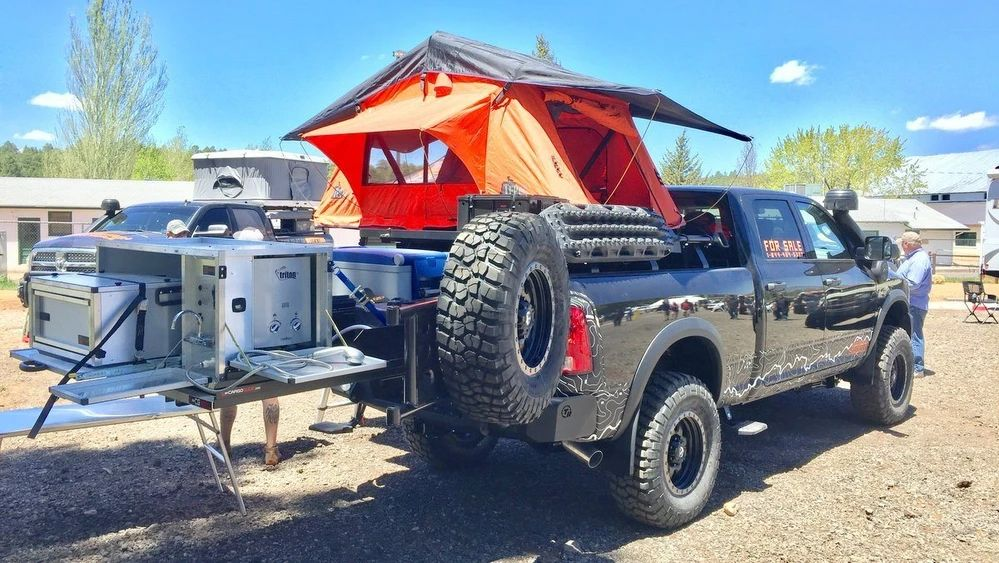
Using budget travel tips can improve your travel experience in many ways. The benefits are not only financial; they also affect your confidence, freedom, and enjoyment.
- You save money and avoid unnecessary debt.
- You can travel more often with the same income.
- You feel less stressed because your spending is planned.
- You learn how to compare prices and make smarter decisions.
- You discover local places instead of only tourist areas.
- You become more flexible and independent.
- You avoid many hidden charges and common travel traps.
- You can spend more on meaningful experiences.
- You build confidence for future trips.
- You learn useful life skills such as planning, patience, and discipline.
Disadvantages / Risks
Budget travel is useful, but it also has some disadvantages and risks. Being aware of them helps you avoid poor decisions.
- Very cheap accommodation may be unsafe, noisy, or far from main areas.
- Cheap flights may include long layovers, strict baggage rules, or poor timing.
- Overplanning every dollar can make the trip feel stressful.
- Choosing only free activities may cause you to miss valuable experiences.
- Public transport can be confusing in a new country.
- Eating only street food may not suit every stomach.
- Traveling in low season can mean bad weather or limited services.
- Too much focus on saving can reduce comfort and enjoyment.
- Last-minute budget choices may lead to weak options.
- Some deals may have hidden conditions or cancellation fees.
The goal is not to pick the lowest price every time. The goal is to find the best value. Sometimes paying slightly more for safety, location, comfort, or flexibility is the smarter choice.
Common Mistakes to Avoid
Many travelers try to save money but still overspend because of simple mistakes. The first mistake is booking without comparing. A few minutes of research can save a lot on flights, hotels, and tours.
Another common mistake is ignoring location. A cheap room far from everything may look good at first, but daily transport can make it more expensive than a central option.
Water, snacks, tips, laundry, lockers, local SIM cards, and short rides may seem minor, but together they can become a large amount.
Overpacking is also a problem. Extra luggage fees can be painful, especially on budget airlines. Pack only what you need.
A serious mistake is having no emergency money. Even careful travelers face unexpected situations. Keep a separate amount for urgent needs.
Finally, do not follow every online recommendation blindly. Your budget, comfort level, and travel goals are personal. Choose advice that fits your situation.
FAQs
1. What is the best way to start budget travel?
The best way to start budget travel is to choose a simple destination, set a clear budget, and plan the main costs before booking. Begin with a short trip if you are nervous. A weekend in a nearby city can teach you how to manage transport, food, accommodation, and activities without too much pressure.
Start by writing your total budget. Then divide it into categories such as travel, stay, food, and fun. This makes the trip easier to control.
2. How can I save money on flights?
You can save money on flights by being flexible with dates, booking at the right time, comparing nearby airports, and avoiding unnecessary extras. Travel during off-peak periods if possible. Also check baggage rules before buying a ticket.
A low fare is not always the cheapest option. If the airline charges high fees for luggage, seats, or changes, another ticket may offer better value.
3. Are hostels safe for beginners?
Many hostels are safe, clean, and friendly, especially in popular travel destinations. However, you should read recent reviews, check the location, and choose hostels with lockers, good security, and helpful staff.
If you are not comfortable in shared rooms, many hostels offer private rooms. This gives you a social atmosphere with more privacy.
4. How much money should I keep for emergencies?
A good rule is to keep at least 10% to 20% of your total trip budget for emergencies. For international travel, keep enough for one extra night, a meal, local transport, and basic medical needs.
Keep emergency money separate from daily spending. You can carry part in cash and keep part in a card or account.
5. Is travel insurance necessary for budget travelers?
Travel insurance is recommended, especially for international trips. It may feel like an extra cost, but it can protect you from much larger expenses related to illness, cancellations, lost luggage, or accidents.
Budget travel should not mean ignoring protection. Saving a small amount by skipping insurance can become expensive if something goes wrong.
6. How can I eat cheaply while traveling?
You can eat cheaply by choosing local restaurants, markets, grocery stores, bakeries, and street food places with good hygiene. Avoid tourist restaurants near major attractions when possible.
Another smart idea is to book accommodation with breakfast or a kitchen. Even preparing one simple meal a day can reduce your total food cost.
7. Can families use budget travel tips?
Yes, families can use budget travel tips very effectively. Families often save money by booking apartments, cooking some meals, using public transport, and choosing free attractions like parks, beaches, and museums with family discounts.
Planning is especially important for families because small costs multiply by the number of people. A daily budget helps parents stay in control.
8. What should I never compromise on?
Never compromise on safety, basic cleanliness, important documents, health needs, or legal requirements. A very cheap option is not worth it if it puts you at risk.
Spend money where it matters. A safe location, reliable transport, and proper insurance can protect your entire trip.
Expert Tips & Bonus Points
Here are extra budget travel tips that experienced travelers often use:
- Travel slowly when possible. Staying longer in one place can reduce transport costs and help you find better local deals.
- Learn a few local phrases. This can make communication easier and sometimes helps during shopping or transport.
- Carry a refillable water bottle where drinking water is safe.
- Use laundry services instead of packing too many clothes.
- Keep digital and printed copies of important documents.
- Follow local rules to avoid fines.
- Ask your accommodation staff for affordable food and transport suggestions.
- Compare tours with independent travel options.
- Choose experiences based on personal value, not social media pressure.
- Review your spending after the trip so your next journey becomes even better.
One bonus strategy is to create a “must spend” and “can save” list. For example, you may decide to spend on a desert safari, museum pass, or mountain tour, but save on taxis, luxury rooms, and shopping. This keeps the trip exciting without losing budget control.
Conclusion
Travel becomes easier when you understand how to plan, compare, and spend with purpose. The best budget travel tips do not ask you to remove joy from your journey. Instead, they help you remove waste. When you stop paying for things that do not matter, you create space for experiences that truly matter.
A successful budget trip begins before you leave home. You choose the right destination, set a realistic budget, book carefully, pack smartly, and learn about local transport and food. During the trip, you track spending, avoid hidden costs, and stay flexible when plans change.
Remember, budget travel is not about showing that you spent the least. It is about getting the most value from your money. Sometimes that means choosing a cheap bus. Sometimes it means paying more for safety, comfort, or a once-in-a-lifetime activity.