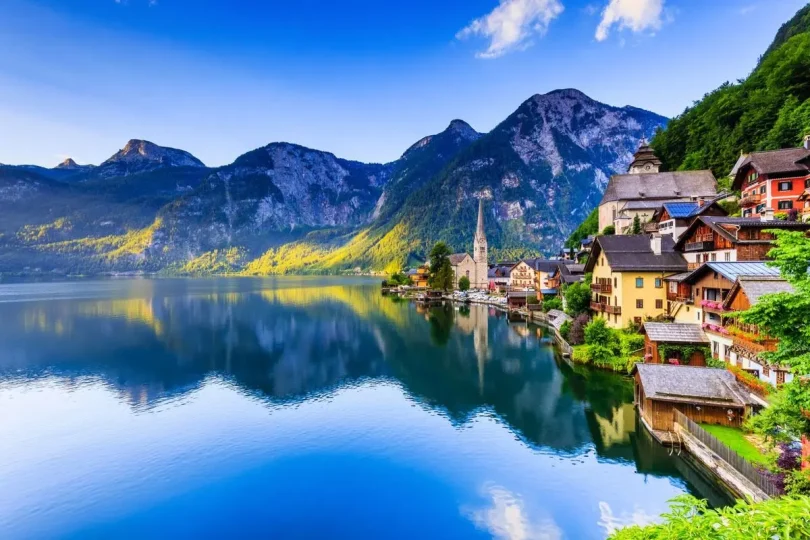

Every famous destination was once a local secret, and many are now loved to the point of exhaustion — queued out, priced up and photographed from the same three angles. Meanwhile, a second map of the world exists: places with the same beauty, history and food, minus the crowds. Hidden gem destinations reward travellers who are willing to go one valley further, one train stop beyond, or one season earlier. This guide explains what makes a place a genuine hidden gem, how to find them, and how to visit without spoiling the very qualities you came for.
What Makes a Place a Hidden Gem
A true hidden gem is not simply an obscure place. Obscurity alone can mean a town is quiet because there is little to do there. Hidden gem destinations combine real substance — scenery, culture, food, history — with low visitor pressure. Often they sit in the shadow of a famous neighbour: the second valley town, the smaller port down the coast, the old quarter of a city everyone rushes through on the way somewhere else.
Timing creates gems too. A well-known town in its quiet season can feel like a discovery; a mountain village in the week before its festival has all the colour and none of the crush. When you look for them, you are really looking for a mismatch between quality and attention — and those mismatches still exist everywhere, on every continent, for travellers willing to research beyond the first page of results.
How to Find Places the Crowds Miss
Start with the map method: pick a famous destination you want to visit, then look at towns within an hour of it and read about those instead. Search local-language sources and regional tourism sites rather than global listicles, and look at what domestic travellers recommend to each other — people holidaying in their own country know where the good places are.
Transport maps are another goldmine. New rail lines, regional airports and ferry routes open up places that were awkward to reach a decade ago. Football fans have long travelled this way, following clubs to smaller cities and discovering them properly — a trip built around a match, like following a promising young player such as Harvey Davies, Liverpool and England’s young goalkeeper, can anchor a weekend in a city you might otherwise have flown straight over. Any passion — food, hiking, history, sport — can serve as your compass toward places the standard itineraries skip.
Types of Gems Worth Seeking
Certain kinds of places reliably deliver. Secondary cities — the country’s second or third city rather than its capital — usually have the museums, restaurants and architecture without the capital’s prices and queues. Working port towns offer honest food and real daily life alongside their harbours. University towns bring bookshops, cafés and youthful energy. Wine and farming regions hide villages where the produce on your plate travelled metres, not miles.
Natural gems follow the same pattern: the lesser-known national park beside the famous one, the quieter stretch of the same coastline, the lake one ridge away from the postcard lake. In each case the underlying asset — the sea, the mountains, the old streets — is shared; only the fame differs. Building a trip around one or two hidden gem destinations, balanced with a classic sight or two, gives you both the highlights and the breathing room.
Visiting Without Spoiling the Place
Popularity is a one-way door, so travel gently in places that are still quiet. Stay in locally owned accommodation, eat in family restaurants, and hire local guides where you can — your spending then supports the community rather than extracting from it. Learn a few words of the local language, respect local rhythms around work, worship and rest, and be thoughtful about what you broadcast: there is an honourable tradition among travellers of sharing a gem with friends rather than geotagging it to the world.
It also helps to understand how destinations present themselves online, and to favour businesses that communicate honestly. This overview of building a trusted online presence for a travel business describes exactly the kind of small operator — clear, genuine, rooted in its place — that hidden-gem travel depends on. When you find one, a thoughtful review helps them far more than it would help a global chain.
Planning a Gem-Based Trip
Practical planning differs slightly for quieter places. Public transport may be thinner, so check timetables before you arrive rather than assuming hourly trains. Some restaurants and sights open seasonally or close midweek; a quick message or a look at recent reviews saves disappointment. Book accommodation a little earlier than you would in a big city — a small town’s best guesthouse might have six rooms, and when they are gone, they are gone.
Build slack into the itinerary. Hidden gem destinations repay lingering: the second morning in the bakery, the walk you take because the light looks good, the conversation with the guesthouse owner that produces tomorrow’s plan. Reading how destinations market themselves can sharpen your judgement here too — this piece on how travel brands build useful editorial connections explains why some recommendations glow and others are simply sponsored. In quiet places, word of mouth still beats advertising; trust the baker over the billboard.
The Real Reward of Going Further
Travellers who seek out hidden gems are not collecting obscure stamps in a passport; they are recovering something mass tourism quietly removed — the feeling of discovery. A street you found yourself, a meal you could not have predicted, a view you have entirely to yourself at dawn: these are the moments that stay sharp in memory decades later.
You do not need to abandon the famous places entirely. See the great sights early in the morning, then base yourself somewhere quieter and let the trip breathe. The world is far larger than its twenty most photographed places, and it is still full of corners where travel feels personal, unhurried and real. Those hidden gem destinations are waiting — one valley further, one train stop beyond, one season earlier than everyone else.